
Table of Content
[Hide]
Achieving exceptional dimensional accuracy, sub-micron surface finishes, and strict mechanical integrity in modern component manufacturing relies heavily on advanced abrasive technology. Industrial processes ranging from semiconductor wafer thinning to high-speed automotive component machining demand specialized cutting tools. Selecting the correct abrasive profile directly dictates tool life, thermal control, and overall operational efficiency on the production floor.
Advanced Dynamics of the Back Grinding Wheel in Semiconductor Wafer Processing
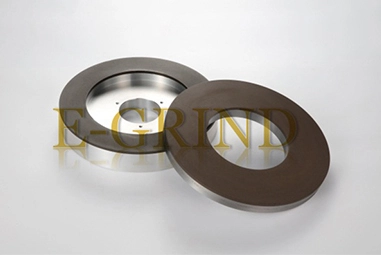
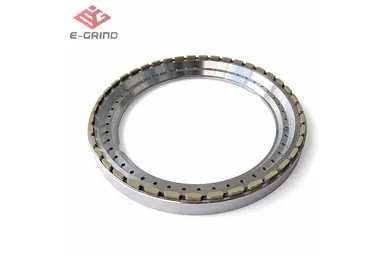
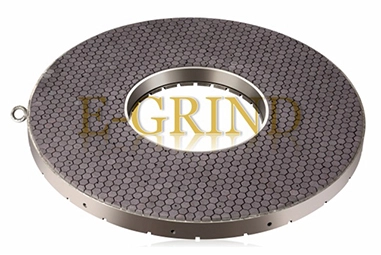
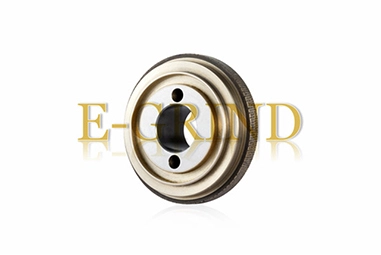
A back grinding wheel is engineered specifically for ultra-thinning silicon wafers and advanced semiconductor packaging applications. During backend semiconductor manufacturing, integrated circuit substrates must be thinned down significantly from their original thickness to accommodate stacked-die architectures, ultra-thin mobile devices, and miniaturized electronic components.
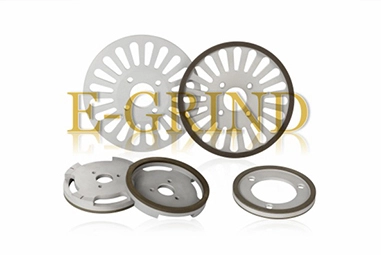
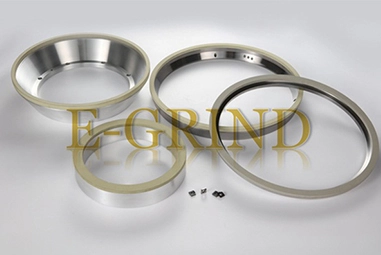
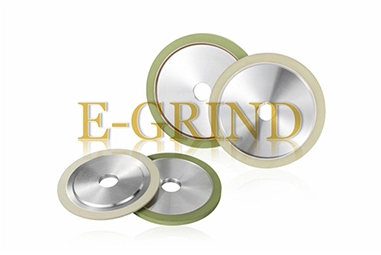
These specialized wheels utilize fine diamond abrasives embedded within engineered resin, vitrified, or metal bond matrices. Their primary function is to remove material rapidly while strictly minimizing subsurface damage, micro-cracking, and residual mechanical stress on fragile silicon substrates. For engineering teams looking to explore specific abrasive dimensions and customized grit specifications, reviewing a comprehensive back grinding wheel product catalog helps match precise backend processing parameters.
Key Technical Parameters for Wafer Back Grinding:
Abrasive Concentration: Optimized diamond grain density ensures consistent material removal rates without inducing excessive localized heating.
Matrix Porosity: Vitrified or hybrid bond structures facilitate efficient coolant flow and rapid swarf evacuation, preventing loading and surface burning.
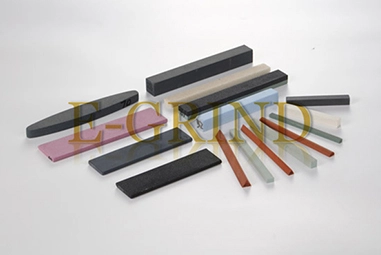
Truing and Dressing Protocols: Regular maintenance using specialized soft dressing boards maintains wheel sharpness and geometric flatness across high-volume production runs.
Industrial Performance Advantages of the CBN Grinding Wheel
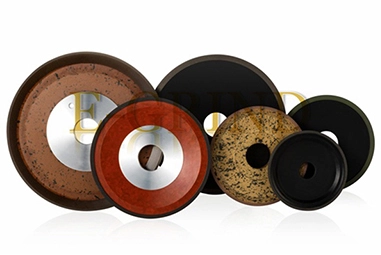
For high-hardness ferrous metals, hardened alloy steels, cast irons, and high-temperature superalloys, a cbn grinding wheel (Cubic Boron Nitride) offers unmatched thermal stability and wear resistance. While conventional aluminum oxide abrasives break down rapidly under the intense heat generated by hardened steel, CBN retains its sharp crystalline cutting edges due to its extreme hardness—second only to diamond—and superior chemical inertness.
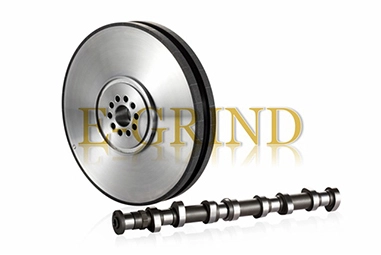
This exceptional thermal endurance makes CBN the industry standard for precision external cylindrical grinding, camshaft profiling, crankshaft manufacturing, and gear grinding applications. Because CBN transfers less heat into the workpiece, manufacturers avoid metallurgical damage such as surface tempering, tensile residual stresses, and micro-checks. To integrate these high-performance tools into automated production cells, facility managers often consult specialized CBN grinding wheel specifications for hardened steel to optimize cutting speeds and feed rates.
Optimization Strategies for CBN Utilization:
Machine Rigidity: CBN wheels require high-rigidity grinding machines with minimal spindle deflection to maximize their long dressing intervals and narrow tolerances.
Peripheral Speed (Cutting Speed): Operating at optimized high speeds (often exceeding 60 to 80 meters per second) unlocks the full efficiency and self-sharpening capability of the CBN crystals.
Fluid Application: Utilizing high-pressure neat oil or specialized synthetic water-soluble coolants ensures effective lubrication and chip evacuation from the contact zone.
References
PREV: What Is a Cut-off Wheel?
Popular Diamond Grinding Wheel Products