
Table of Content
[Hide]
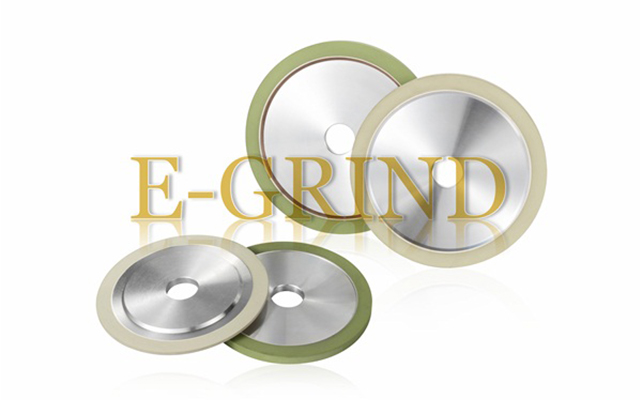
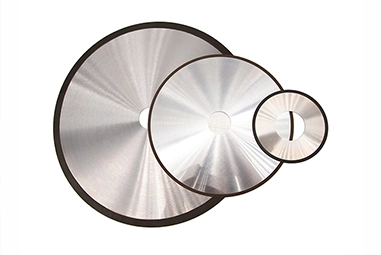
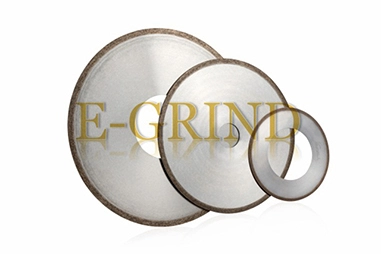
A cut-off wheel (also called a cutting disc) is a thin, circular abrasive wheel designed to cut materials using a high-speed rotary tool such as an angle grinder, cut-off saw, or stationary machine. Instead of teeth like a saw blade, it removes material by abrasion—grinding through the workpiece to create a narrow kerf and a clean cut.
This guide explains what cut-off wheels are, how they work, how to choose the right type for your material, and how to use them safely for consistent results.
What is a cut-off wheel? Quick Definition
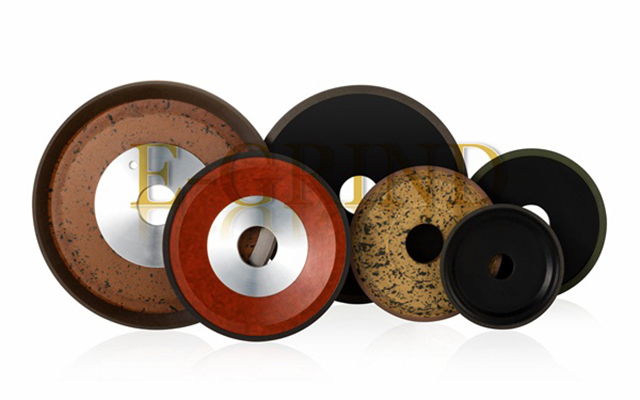
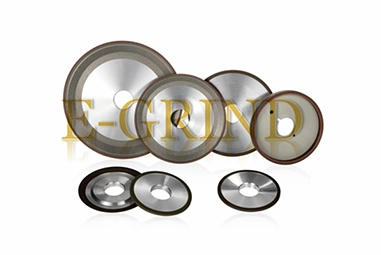
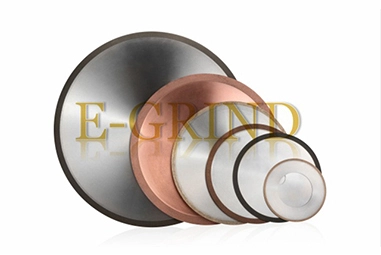
A cut-off wheel is a reinforced abrasive disc or diamond wheel used on high-RPM tools to cut metal, stone, concrete, tile, ceramics, and other materials with speed and precision.
How cut-off wheels work and why they cut so fast?
Cut-off wheels cut by abrasive grains (or diamond segments) that fracture and expose new sharp edges during use. At high RPM, the wheel continuously grinds away material at the contact point. Key characteristics that affect performance:
Wheel diameter (commonly 4"–14") determines maximum cutting depth.
Thickness (often ~1.–3. mm for thin wheels) affects speed and kerf width.
Thinner wheels generally cut faster and with less heat, but can be less tolerant to side-loading.
Abrasive type / bond determines what materials the wheel cuts best.
RPM rating must be equal to or higher than the tool’s no-load speed.
Safety note: Never use a wheel with an RPM rating lower than your tool’s RPM.
Types of cut-off wheels
1) Aluminum Oxide cut-off wheels (for steel and ferrous metals)
Best for: carbon steel, structural steel, rebar, iron
Why: durable and cost-effective for ferrous metal cutting
Common use cases: fabrication shops, construction cutting, general metalwork
2) Silicon Carbide cut-off wheels (for non-ferrous and masonry)
Best for: aluminum, brass, copper, fiberglass, plastics, stone (depending on formulation)
Why: sharper, more brittle abrasive that cuts many non-ferrous or brittle materials efficiently
Common use cases: non-ferrous cutting, composite trimming, some masonry applications
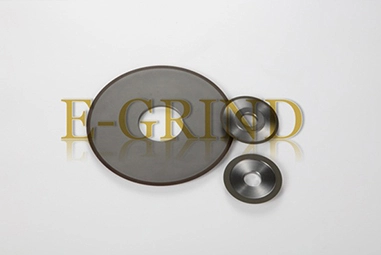
3) Diamond cut-off wheels (for hard/brittle materials)
Best for: ceramics, porcelain tile, glass (specialty wheels), stone, concrete
Why: diamond abrasives maintain cutting ability much longer on hard materials
Common use cases: tile/stone cutting, construction, precision cutting of hard substrates
How to choose the right cut-off wheel?
When selecting a cut-off wheel, match it to material + machine + cut quality:
Material being cut
Steel → Aluminum oxide
Aluminum/non-ferrous → Often silicon carbide or a wheel designed specifically for non-ferrous
Tile/ceramic/concrete → Diamond wheel
Tool type and RPM
Confirm the tool’s max RPM and choose a wheel rated above it.
Use the correct arbor size (e.g., 7/8", 22.23 mm).
Wheel thickness
Thin wheel (fast, clean cut) for sheet metal, tubing, stainless (when specified)
Thicker wheel (more robust) for heavier stock or when stability matters
Cut quality and heat sensitivity
If burr control and discoloration matter (e.g., stainless), choose a wheel designed for that application.
Common applications across industries
Cut-off wheels are used anywhere fast, controlled cutting is needed:
Construction & masonry: cutting concrete, brick, stone, rebar
Metal fabrication: cutting bar stock, sheet, tubing, weld prep
Automotive repair & manufacturing: trimming brackets, exhaust work, body repair
Aerospace & precision manufacturing: controlled cutting with minimal distortion (using the correct wheel type and parameters)
Cut-off Wheel Safety
Cut-off wheels are safe when used correctly—but misuse can cause disc breakage, kickback, or injury. Follow these essentials:
Inspect every wheel
Do not use wheels with cracks, chips, warping, or moisture damage.
Match RPM + tool guard
Never exceed rated RPM; always keep the guard installed and positioned correctly.
Use the correct cutting angle
Cut straight; avoid twisting the wheel in the kerf.
Do not side-load
Cut-off wheels are for cutting, not grinding (side pressure can break them).
Let the wheel do the work
Excessive force increases heat and failure risk; maintain steady, moderate feed.
Wear proper PPE
Safety glasses + face shield, gloves, hearing protection, and a suitable dust mask/respirator for the material.
Cut-off wheels vs. other cutting tools
Cut-off wheel vs. saw blade:
Cut-off wheels are compact and fast for metal and masonry on grinders; saw blades (carbide-tooth) can be better for certain metals/wood when used on the correct saw and when a cooler cut or specific finish is required.Cut-off wheel vs. grinding wheel:
Grinding wheels are thicker and designed for surface grinding and shaping; cut-off wheels are thinner and optimized for through-cuts.
Frequently asked questions
Q: What is the difference between a cut-off wheel and a grinding wheel?
A cut-off wheel is thinner and designed for cutting through material. A grinding wheel is thicker and designed for material removal and shaping.
Q: Can you use a cut-off wheel to grind?
It’s not recommended. Most cut-off wheels are not designed for side pressure and may fail if used for grinding.
Q: What cut-off wheel is best for stainless steel?
Use a wheel labeled for stainless/Inox and follow recommended speed and pressure to reduce heat tint and burrs.
Q: Why does a cut-off wheel break?
Common causes include side-loading, twisting in the cut, incorrect RPM rating, improper mounting, or using a damaged wheel.
Conclusion
A cut-off wheel is a high-speed abrasive cutting disc used to cut metal, masonry, tile, ceramics, and more. Choosing the right wheel depends on the material, tool RPM, and wheel specification (abrasive type, thickness, diameter). With correct selection and safe technique, cut-off wheels deliver fast, clean cuts across construction, fabrication, and manufacturing. If you need help selecting a wheel for your application, you can contact E-Grind
References
Popular Diamond Grinding Wheel Products