
Table of Content
[Hide]
Optimizing tool-and-cutter sharpening, surface preparation, and heavy stock removal operations relies heavily on choosing the correct bond system and establishing reliable supply chain partnerships. Industrial buyers must balance mechanical properties, bond elasticity, and manufacturer capabilities to maximize shop floor productivity.
Mechanical Benefits and Applications of Resin Bonded Wheels
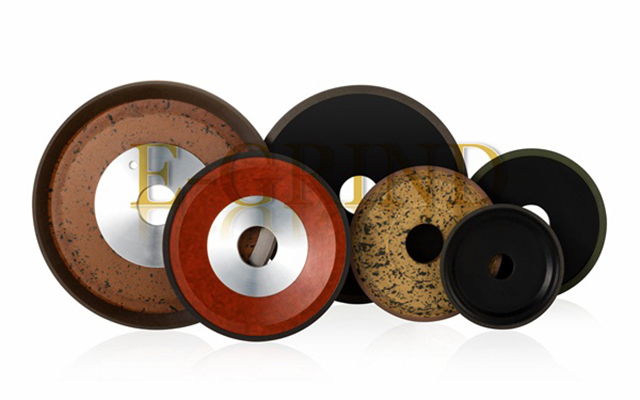
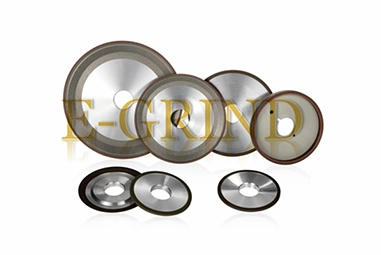
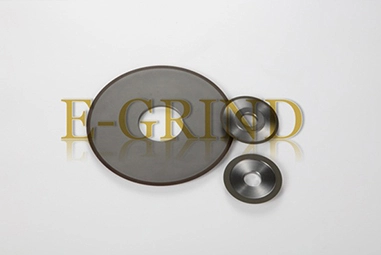
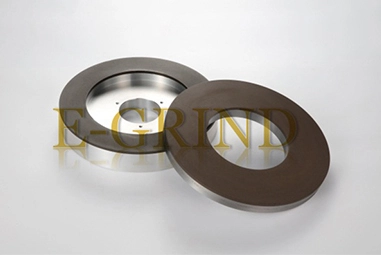
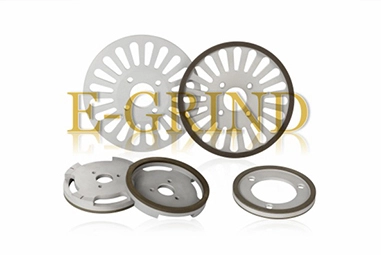
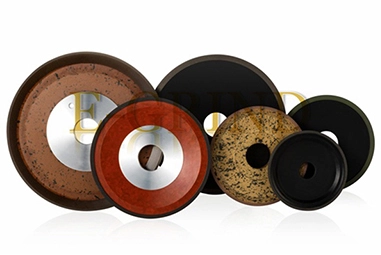
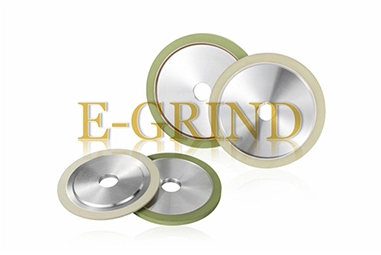
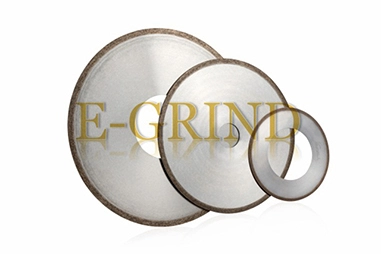
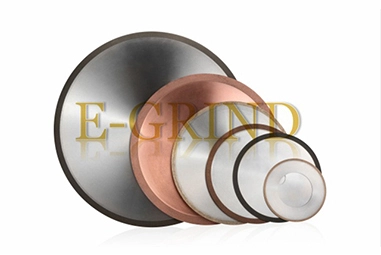
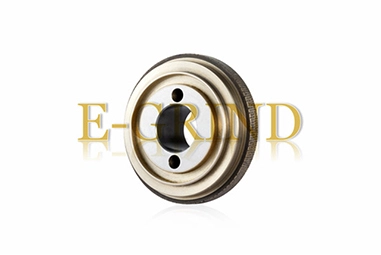
Resin bonded wheels are widely utilized across global manufacturing facilities because of their high elasticity and excellent shock-absorption capabilities. The organic resin matrix—typically formulated from specialized phenolic resins—allows the grinding wheel to flex slightly under mechanical load. This flexibility reduces chatter, absorbs impact shock during interrupted cuts, and delivers superior surface finishes on carbide tools, structural ceramics, and hard alloys.
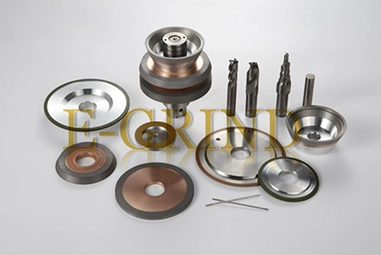
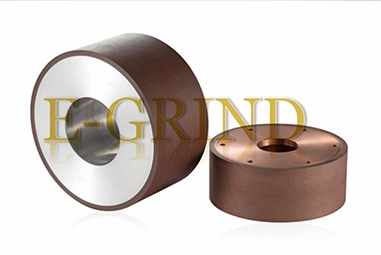
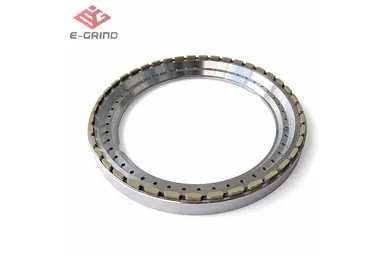
They excel in roughing, semi-finishing, and high-speed cutting operations where a softer action prevents thermal cracking and burning on heat-sensitive workpieces. Common applications include tool and cutter sharpening, saw sharpening, and cylindrical O.D. finishing where surface integrity is paramount. Procurement specialists looking for stable stock removal performance often source durable resin bonded wheels designed to resist thermal degradation during continuous high-speed runs.
Performance Characteristics of Resin Matrices:
Shock Resistance: Elastic bonding absorbs vibration, making them safer and more forgiving in manual or semi-automated grinding environments.
Finishing Capability: Readily accepts fine diamond and CBN grits to produce mirror-like finishes on tungsten carbide and ceramic inserts.
Dressing Efficiency: Can be easily dressed and profiled using conventional abrasive sticks or mechanical turning tools.
Strategic Criteria for Vetting Cup Grinding Wheel Manufacturers
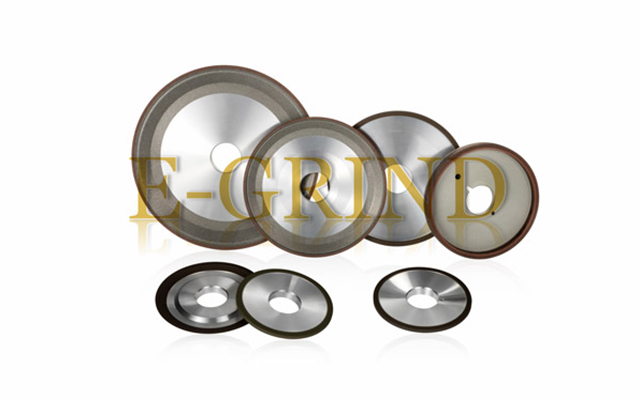
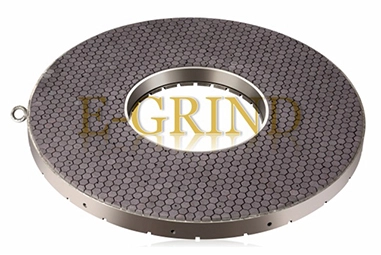
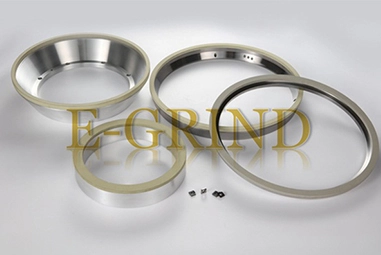
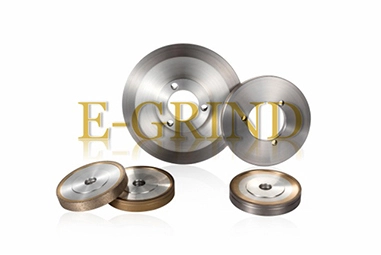
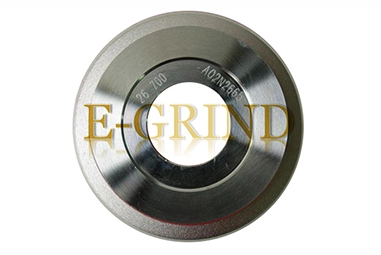
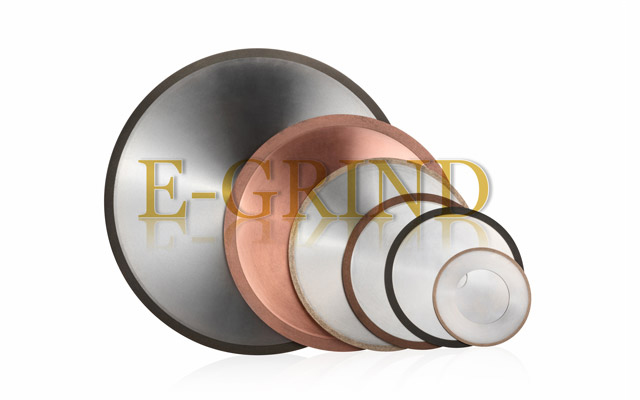
When procuring specialized tooling such as straight cup (Type 6), flared cup (Type 11), or dish wheels for surface grinders, tool and cutter sharpeners, and universal grinding setups, vetting cup grinding wheel manufacturers requires a systematic evaluation of technical and operational capabilities. Industrial supply chain managers should establish direct communication channels with trusted cup grinding wheel manufacturers to secure stable lead times and custom bond formulations.
Critical Procurement Metrics:
Customization Capacity: The manufacturer's ability to tailor grit concentrations, abrasive layer depths, and proprietary resin or metal bond formulations to target specific workpiece materials.
Batch Consistency and Quality Control: ISO-certified manufacturing facilities ensuring uniform density, accurate weight distribution, and dynamic balance across every production lot to prevent dangerous vibrations at high operational RPMs.
Technical Support and Engineering Collaboration: Access to dedicated application engineers who can recommend optimal feed rates, peripheral cutting speeds (sfpm), and dressing cycles tailored to your exact machine configuration.
Lead Times and Supply Chain Resilience: Reliable shipping logistics and stable raw material sourcing to prevent unexpected manufacturing downtime in high-volume production plants.
Partnering with established industrial manufacturers ensures reduced machine downtime, predictable tool wear cycles, and lower overall cost-per-part metrics across demanding production workflows.
E-Grind (egrindwheel.com) eAbrasives is a very reliable partner in supplying a full range of Diamond and CBN grinding wheels for many industries.We have 50 years of experience in the Superabrasive industry.
Pls contact:inquiry@e-grindabrasives.com
Whatsapp:008613733807982
References
NEXT: No information
Popular Diamond Grinding Wheel Products