
Table of Content
[Hide]
Introduction
Rotary diamond dressers are indispensable tools in modern grinding operations, offering precision, efficiency, and versatility. These tools play a pivotal role in maintaining the form and sharpness of grinding wheels, ensuring optimal performance across various industrial applications. This article explores the types, benefits, applications, and best practices for using rotary diamond dressers, with a special focus on their compatibility with vitrified bond grinding wheels.
Types of Rotary Diamond Dressers
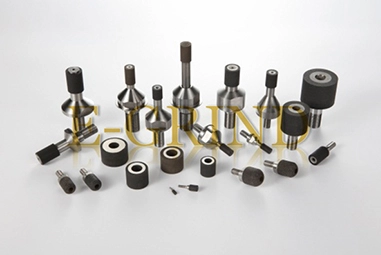
Rotary diamond dressers come in several configurations, each tailored to specific grinding needs:
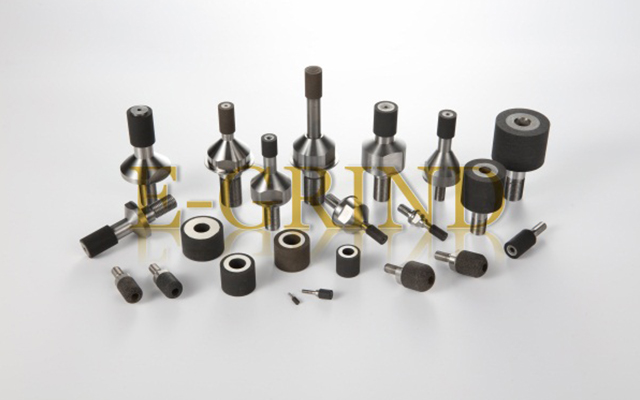
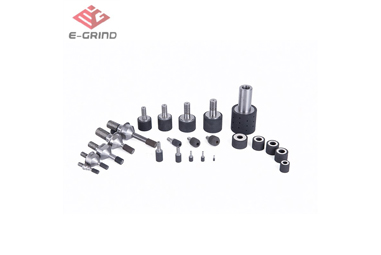
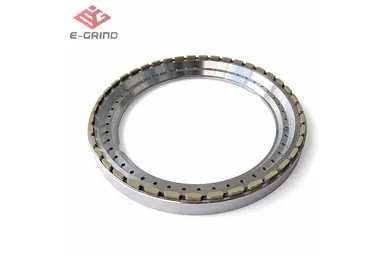
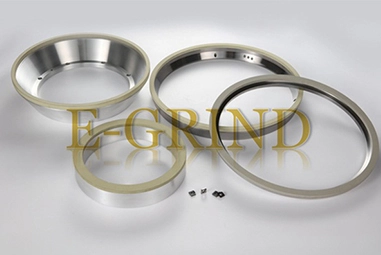
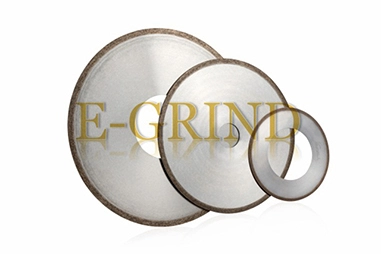
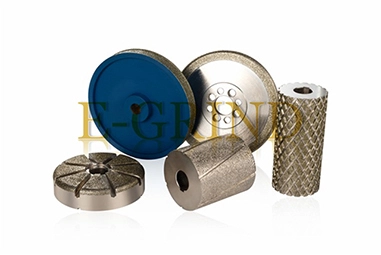
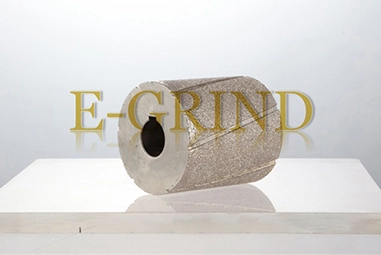
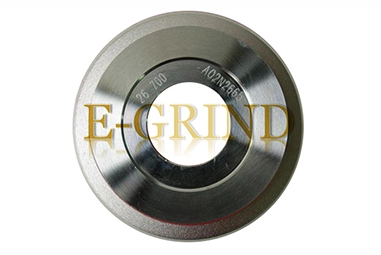
Diamond Profile Roller: Made via sintering or electroplating, these rollers feature uniform diamond particles for precise profiling of complex shapes (e.g., gears, turbine blades).
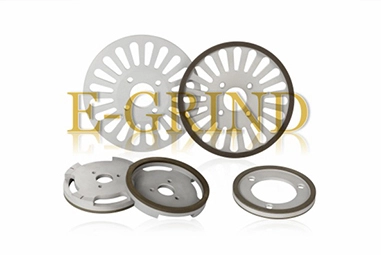
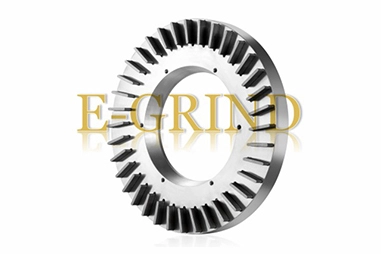
Gear Dressing Wheel: Specifically designed for gear grinding, it ensures the grinding wheel accurately replicates gear tooth profiles..
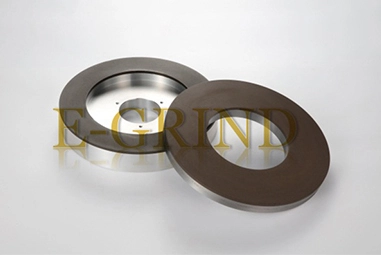
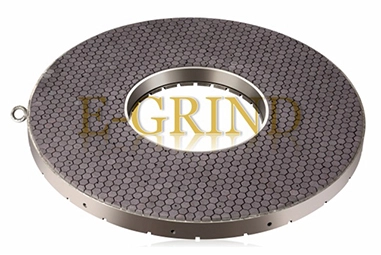
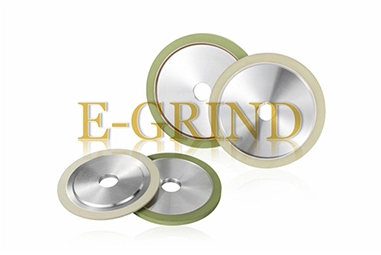
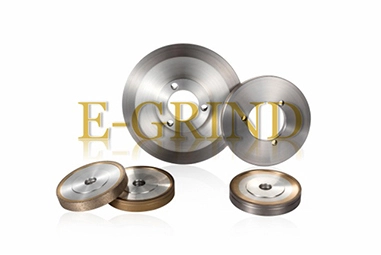
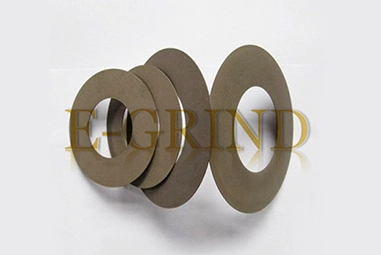
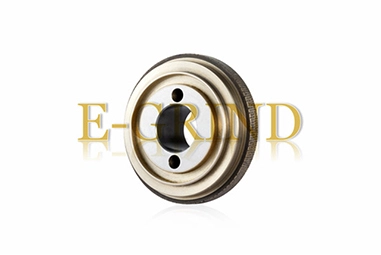
Diamond Dressing Disc: Features a reconditionable design for extended life, with optimized diamond particle arrangement and feed rate for sub-micron precision in CBN wheel dressing..
Key Benefits of Using Rotary Diamond Dressers
The adoption of rotary diamond dressers in grinding processes offers numerous advantages:
Enhanced Precision: These dressers maintain the exact form and sharpness of grinding wheels, leading to superior surface finishes and dimensional accuracy on workpieces. This precision is crucial in industries like aerospace and medical device manufacturing.
Increased Efficiency: By reducing downtime for wheel maintenance, rotary dressers boost overall productivity. Their ability to quickly restore wheel sharpness minimizes interruptions in high-volume production environments.
Extended Wheel Life: Regular dressing with diamond tools prevents wheel wear and clogging, prolonging the lifespan of grinding wheels and reducing replacement costs.
Improved Surface Quality: The consistent dressing action ensures uniform grinding performance, resulting in smoother and more refined workpiece surfaces. This is particularly beneficial for applications requiring tight tolerances.
Cost-Effectiveness: Despite higher initial costs, the durability and efficiency of diamond dressers translate into long-term savings through reduced wheel consumption and enhanced production rates.
Industrial Applications of Diamond Rotary Dressers
Diamond rotary dressers find extensive use across diverse industrial sectors:
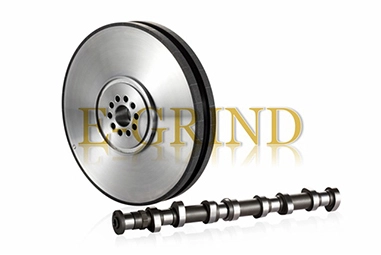
Automotive Manufacturing: In engine component production, these dressers ensure precise grinding of crankshafts and camshafts, optimizing performance and durability.
Aerospace Industry: For turbine blade and landing gear components, the dressers maintain critical tolerances, essential for high-stress environments.
Medical Device Production: They enable fine grinding of surgical instruments and implants, where surface integrity and precision are paramount.
Energy Sector: In wind turbine and pump manufacturing, the dressers support the grinding of durable parts that withstand harsh operational conditions.
General Engineering: From tooling to machinery parts, these dressers enhance accuracy in various metalworking applications, ensuring reliable component performance.
Why Diamond Roller Dressers Are Ideal for Vitrified Bond Grinding Wheels
Diamond roller dressers are particularly well-suited for vitrified bond grinding wheels due to several inherent advantages:
Superior Hardness Compatibility: The extreme hardness of diamond rollers effectively cuts through the rigid vitrified bond, ensuring efficient and precise dressing without excessive wear.
Precision Form Maintenance: They excel in preserving the intricate profiles of vitrified wheels, which are often used for high-precision grinding tasks. This capability is vital for applications like optical lens or semiconductor component manufacturing.
Enhanced Surface Finish: The dressing process with diamond rollers minimizes surface imperfections on vitrified wheels, leading to smoother workpiece finishes and reduced grinding defects.
Durability Under High Temperatures: Vitrified bond wheels generate significant heat during grinding; diamond rollers withstand these conditions, maintaining performance and preventing thermal degradation.
Efficiency in High-Speed Operations: The robust nature of diamond rollers allows for consistent dressing at elevated speeds, aligning with the fast-paced demands of modern vitrified wheel grinding systems.
How to Choose the Right Rotary Diamond Dresser?
Selecting the appropriate rotary diamond dresser involves considering several critical factors:
Grinding Wheel Type: Match the dresser to the wheel’s bond material (e.g., vitrified, resin, or metal) and grit size. For vitrified bond wheels, diamond roller dressers are often the optimal choice.
Application Requirements: Assess the specific grinding task—whether it’s profile grinding, internal bore work, or fine finishing—to determine the dresser’s shape and size.
Diamond Quality and Size: Higher-quality diamonds offer better durability and cutting performance. Larger diamonds suit coarse grinding, while smaller ones are ideal for fine finishes.
Compatibility with Grinding Machine: Ensure the dresser fits the machine’s mounting system and operates within its speed and feed rate parameters.
Budget Considerations: Balance cost against performance needs; investing in a high-quality dresser can yield long-term savings through improved efficiency and wheel life.
Optimizing Grinding Performance with Rotary Diamond Dressers
To maximize the benefits of rotary diamond dressers, follow these best practices:
Regular Dressing Schedule: Implement a consistent dressing routine to prevent wheel wear buildup and maintain sharpness. This practice enhances grinding accuracy and reduces workpiece defects.
Correct Dressing Parameters: Adjust the dresser’s speed, feed rate, and pressure according to the wheel material and application. Optimal settings ensure efficient material removal without damaging the wheel.
Proper Maintenance: Keep the dresser clean and inspect it regularly for wear or damage. A well-maintained dresser prolongs wheel life and sustains grinding quality.
Operator Training: Educate personnel on the correct use of dressers to avoid common errors like excessive pressure or misalignment, which can lead to wheel damage.
Performance Monitoring: Use sensors or feedback systems to track grinding conditions and adjust dressing processes in real-time, ensuring continuous optimization.
Conclusion
Rotary diamond dressers are transformative tools in grinding operations, offering unmatched precision, efficiency, and versatility. By understanding their types, benefits, and applications-especially their synergy with vitrified bond wheels-industries can achieve superior results. Adhering to best practices in selection and use further enhances performance, making these dressers a cornerstone of modern manufacturing excellence.
References
Popular Diamond Grinding Wheel Products