
The Importance of Wafer Back-Grinding in Semiconductor Manufacturing
Semiconductor manufacturing involves creating complex electronic circuits on silicon wafers. These silicon wafers serve as the foundation for integrated circuits (ICs) and other electronic components. As the demand for smaller, faster, and more energy-efficient devices continues to rise, there is an increasing need for thinner wafers. Wafer back-grinding (also known as wafer thinning) plays a crucial role in achieving this goal by adjusting the wafer thickness.
Wafer back-grinding is a delicate process as it must remove a significant amount of material without damaging the intricate circuits on the front side of the wafer. To ensure the quality and functionality of the final product, the back-grinding process must be carefully controlled. Proper selection of the wafer wheel, grinding parameters, and quality control are all essential factors in achieving optimal results.
The Wafer Back-Grinding Process
The wafer back-grinding process involves several steps, including wafer mounting, wafer wheel selection, and optimization of grinding parameters. Specialized equipment such as back-grinders and measuring tools are used to ensure precision and accuracy throughout the process.
Wafer Mounting
Wafer mounting is the first step in the back-grinding process, where the semiconductor wafer is affixed to a carrier substrate to prepare it for processing. The carrier substrate provides temporary mechanical support for the wafer, preventing it from cracking or deforming during processing. The mounting process typically involves applying an adhesive layer or back-grind tape to the back of the wafer and then securing it to the carrier substrate. The wafer and carrier substrate are then placed in a wafer processing machine for further steps. The choice of mounting method depends on factors such as wafer size, thickness, and material quality. Wafer mounting is a critical step in semiconductor manufacturing, as it ensures that the wafer remains firmly fixed during processing and that the resulting chips maintain high quality and reliability.
Wafer Wheel Selection
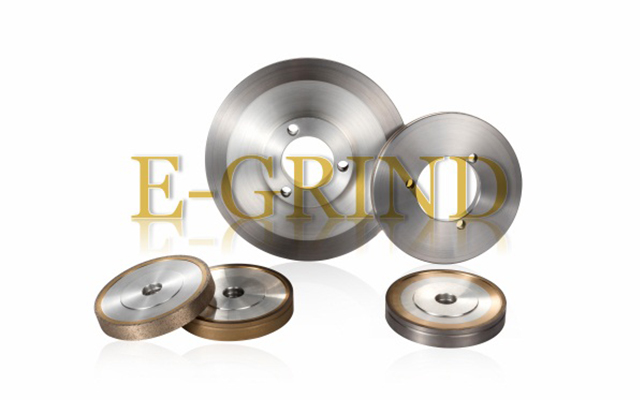
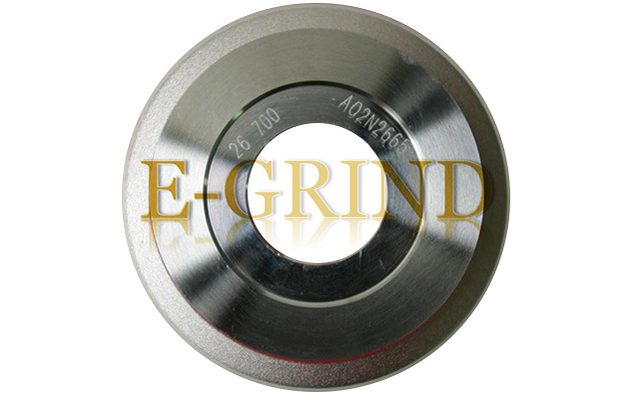
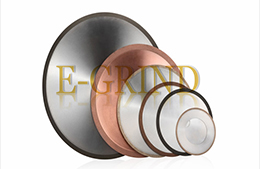
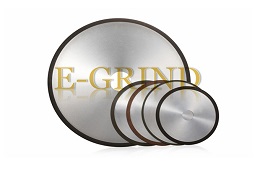
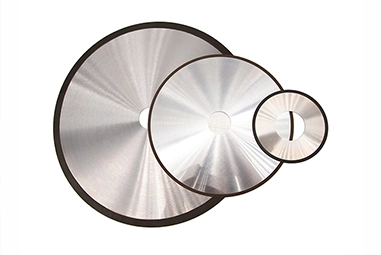
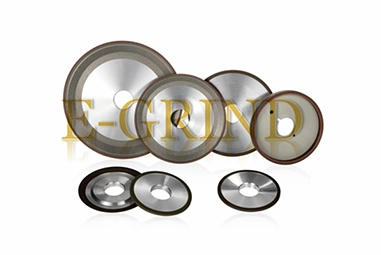
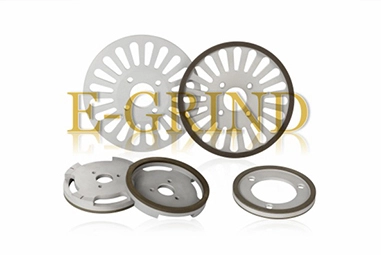
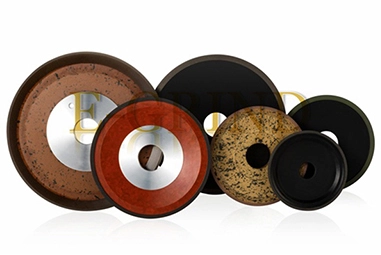
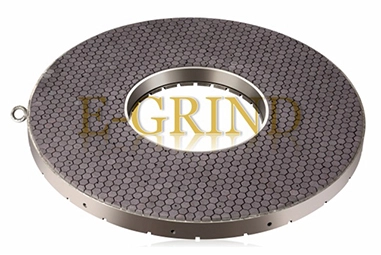
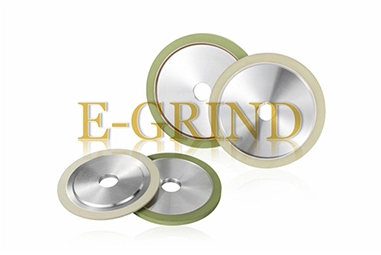
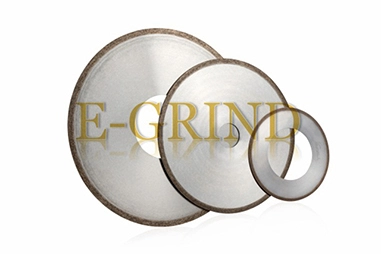
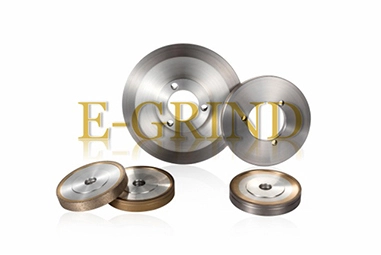
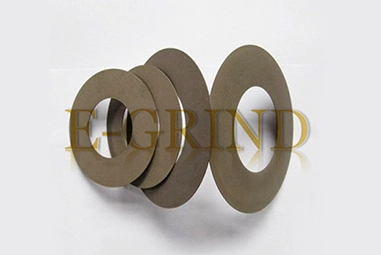
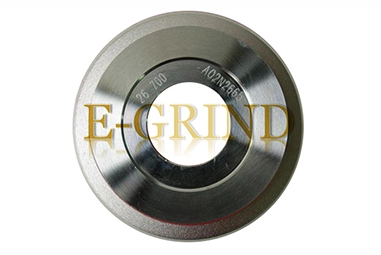
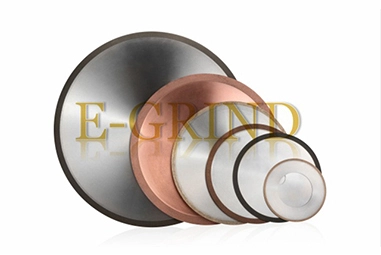
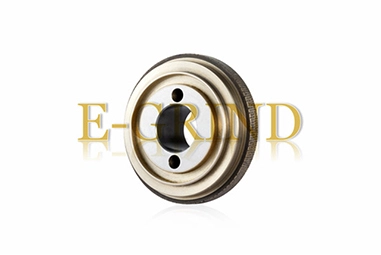
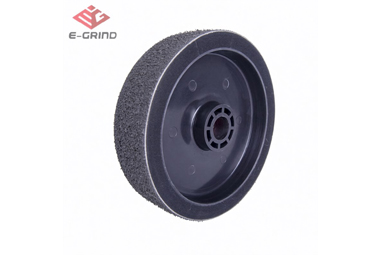
Selecting the right wafer wheel is crucial for achieving the desired wafer thickness and surface quality during back-grinding. The wafer wheel plays an important role in determining material removal rate, surface roughness, and the risk of wafer damage. Many factors influence the choice of wafer wheel, including grinding material type, wheel bonding agent, and grit size.
Grinding Material Type
Wafer wheels are made from various grinding materials, each with its unique characteristics, making them suitable for specific applications. In wafer back-grinding, the grinding materials used are typically conductive materials, such as:
Silicon Carbide (SiC): Silicon carbide is known for its hardness and sharpness, making it a popular choice for grinding silicon wafers. It offers a high material removal rate and excellent surface finish.
Diamond: Diamond is the hardest known material and offers exceptional grinding performance, particularly for hard and brittle materials like silicon. Diamond wheels are often used for ultra-thin wafer grinding and high-precision applications.
The conductivity of the grinding material helps dissipate heat generated during the grinding process, preventing static buildup that could damage the wafer. The wafer is typically mounted on a conductive carrier substrate, which aids in grinding the wafer during the process. The electrical conductivity of both the grinding material and the carrier substrate is an important factor in ensuring that the wafer is thinned to the desired thickness without damage or defects.
Wheel Bonding Agent
The bonding agent holds the abrasive grains in place within the wafer wheel. It plays a critical role in determining the wheel's performance, wear rate, and grinding surface quality. Common bonding agents used in wafer back-grinding include:
Resin Bonding Agent: Resin-bonded wheels are known for their flexibility and ability to produce smooth surface finishes. They are widely used in wafer back-grinding due to their low risk of wafer damage and subsurface damage.
Ceramic Bonding Agent: Ceramic-bonded wheels offer higher strength and rigidity compared to resin-bonded wheels. They are more durable and provide stable grinding performance but can cause greater risk of wafer breakage due to their rigidity.
Grit Size
The size of the abrasive grains in a wafer wheel is referred to as the grit size. It directly affects the surface quality and material removal rate of the wafer. Coarser grit sizes provide higher material removal rates but result in rougher surfaces. On the other hand, finer grits yield smoother surface finishes but may require more grinding cycles to achieve the desired wafer thickness. The grinding parameters, including the expected thickness and surface quality, determine the appropriate grit size to use.
Conclusion
In summary, selecting the right wafer wheel is crucial for achieving the desired wafer thickness and surface quality during the wafer back-grinding process. To optimize grinding performance and minimize wafer damage risk, careful consideration must be given to factors such as abrasive material type, bonding agent, and grit size. By making the proper selection, semiconductor manufacturers can ensure that the back-grinding process meets the required specifications for wafer thickness and surface finish.