
Table of Content
[Hide]
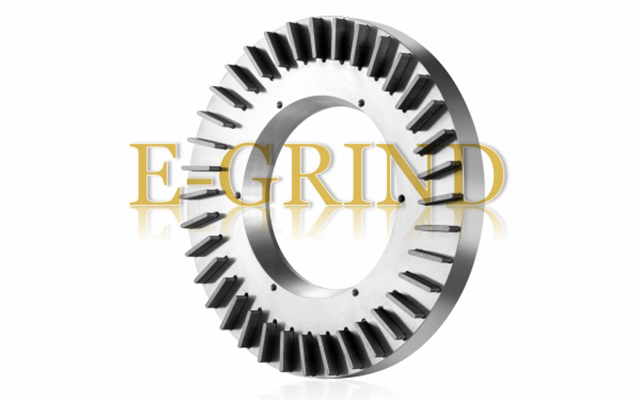
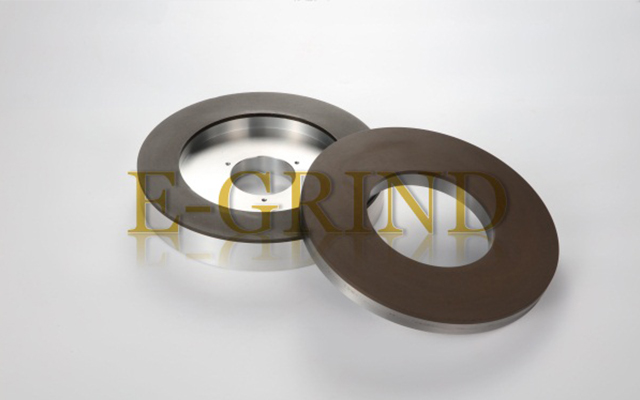
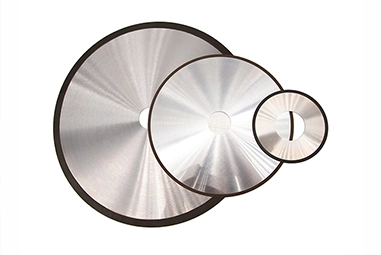
Resin bond grinding wheel lifespan is the period during which the wheel maintains safe, stable and efficient cutting performance under specified grinding conditions.
There is no universal service-life figure for every resin bond diamond or CBN grinding wheel. Wheel life depends on its specification, the workpiece, grinding parameters, dressing practice and machine condition. This guide explains how to evaluate wheel life, identify replacement signs and extend usable performance.
Recommended Lifespan for Resin Bonded Grinding Wheels
The lifespan of a resin bond diamond grinding wheel can vary depending on several factors, such as the type of material being ground, the type of grinding machine being used, and the operating conditions. In general, however, resin bonded grinding wheels have a lifespan of between 1,000 and 3,000 working hours.
It is important to note that this lifespan is only an estimate and that resin bond diamond grinding wheels should be inspected regularly to ensure that they are still in good condition. A grinding wheel that is cracked or damaged should be replaced immediately, even if it has not reached the end of its estimated lifespan.
Shelf Life vs. Service Life of Resin Bond Grinding Wheels
Shelf life and service life describe two different periods. Shelf life refers to how long an unused grinding wheel can be stored under specified conditions, while service life refers to how long it performs effectively during grinding.
A single shelf-life figure should not be applied to every resin bond wheel. Users should follow the date marking and storage instructions supplied by the manufacturer. Wheels should be kept dry, protected from excessive heat, direct sunlight, impact and contamination, and inspected before mounting.
Factors that Affect the Lifespan of Resin Bonded Grinding Wheels
Several factors can affect the lifespan of resin bonded grinding wheels. These include:
Type of material being ground: Different materials have different hardness levels, which can affect the wear rate of the grinding wheel. Harder materials such as carbide will wear down a grinding wheel faster than softer materials such as aluminum.
Type of grinding machine being used: The type of grinding machine being used can also affect the wear rate of the grinding wheel. Machines that operate at higher speeds or with more force can cause the economical grinding wheel to wear down faster.
Operating conditions: The operating conditions, such as the temperature and humidity levels in the grinding area, can also affect the lifespan of the grinding wheel. High temperatures and humidity levels can cause the resin bond to break down faster, leading to a shorter lifespan for the grinding wheel.
Tips for Maximizing the Life of Your Grinding Wheel
To maximize the life of your resin bond diamond wheels, there are several steps you can take:
Use the right grinding wheel for the job: Using the correct grinding wheel for the material being ground is crucial for maximizing the life of tool and cutter grinding wheels. Using the wrong wheel can cause excessive wear and damage to the wheel.
Use the right grinding machine: Using a grinding machine that is appropriate for the job can also help to maximize the life of the grinding wheel. Machines that operate at lower speeds or with less force can help to reduce the wear rate of metal bond grinding wheels.
Control the operating conditions: Controlling the temperature and humidity levels in the grinding area can also help to extend the lifespan of the die grinder diamond wheel. Using a dust collector can help to reduce the amount of dust in the air, which can lead to a longer lifespan for the grinding wheel.
Inspect resin bond diamond wheels regularly: Regularly inspecting the grinding wheel for cracks or damage can help to prevent catastrophic.
When Should a Resin Bond Grinding Wheel Be Replaced?
A resin bond grinding wheel should be replaced when it can no longer grind safely or maintain the required performance. Do not continue using a wheel simply because it has not reached an estimated number of operating hours.
Replace or stop using the wheel if:
Cracks, chips, distortion or bond separation are visible.
Abnormal vibration or noise occurs during operation.
Repeated dressing no longer restores cutting performance.
The wheel cannot maintain the required profile.
Grinding power or temperature continues to increase.
Surface finish or dimensional accuracy becomes unstable.
The abrasive layer reaches the manufacturer’s minimum usable dimension.
Before mounting, check the wheel condition and confirm that the machine speed does not exceed the maximum operating speed marked for the wheel.
References
Popular Diamond Grinding Wheel Products